Church parasites

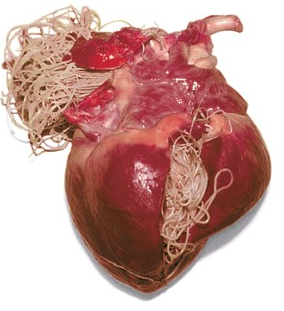
Heartworms

Heartworms

Today’s Church Times announces that the good old C of E is thinking about using human resources managerial strategy to train people for high office. Nothing has quite spoiled my Friday morning as much as this has – not even the prospect of a politically correct Christingle for a non-church and significantly Muslim school later in the day.

I know from selection conferences when I was an Assistant Diocesan Director of Ordinands that people, even at that very early stage, are labelled as potential high fliers. This is woeful enough in an institution that claims to be about service. But to institutionalize it is shameful.

The problem about wearing the clothes of other creatures is that one picks up their parasites, and in this case the parasites that come with the coats of corporate managerialism will at best disable and at worst consume the host. This is the sort of policy that drives me towards the former ‘flying’ bishops for a vision of the church that accords with what has been handed down to us.

I suppose the people that come up with this are so struck with guilt about what they have allowed to happen to the church – or rather, they should be – that they now flail about like headless chickens. ‘Something must be done’ they say. Maybe, but Ye Gods not this.

It’s like medical education. You qualify as a doctor (it’s a conveyor belt – don’t let anyone tell you otherwise – there’s no intellectual content, it’s all memory), then you train in obs & gynae, GP, physician, surgeon etc. Then you get 8-10 years under your belt and find yourself approaching divorce, middle age etc. And you are BORED. You have done 5 gall bladders a day every day. You have looked up the orifices of 7 zillion people and you are NUMB. So then you take to the bottle, or whatever, and start to attend meetings (with expenses of course) at the Royal Colleges where you sit around in panelled rooms on committees that interfere in things that don’t need interfering with. You impose your ‘new’ ideas and force reorganizations and generally foul things up even more. But at least you are not bored any more, and you can wait in line for your gong.

Now put all that in the context of the church. I’m long enough in the tooth to say to Church apparatchiks that I shall go on as I am. By the time they get round to disciplining me for not going along with unimaginative fads I shall be either dead or retired. But I pity the poor souls who are at the beginning of their ministry.


Retreating with dignity

pizza_snackThe door yields to a gentle push. Fragrance wafts outs. Aetherial choral singing is faintly audible. I step inside. Seraphic smiles greet me. Scrubbed faces, headscarves, Barbour jackets, hushed conversations.

Is it a National Trust shop? No. I see why you might think so, but no.

Maybe a Cathedral shop? Getting warm.

It’s a monastery shop. Stanley is on retreat.

‘Will you be getting up at three for Vigil?’ Hollow laughter. ‘How about Lauds at seven?’ I think not. As it happens, I slept most of the three days.

I had hoped not to have to speak much, but words were forced out of me at meal times, for others were nosey. There was a large dishevelled old man (other than me) who managed silence—I rather warmed to him as he shovelled food into his oral cavity at a rate that beat even me (you learn to eat fast as a hospital doctor between bleep calls). Though there was a bit of camaraderie over the Fairy liquid (we had to wash up; no pampering here), I did my best to say as little as possible. As is my wont.

I’ve not been on many retreats, but what will stay in the memory about this one was watching the retreatants serve themselves at meal times. Movements were slow and deliberate, as if on the moon, and accompanied by smiles and nods of the head. One extremely ‘nice’ couple—let’s call them Candice-Marie and Keith—similar age to me, were so very eager to help everyone else. Frankly I find that sort of thing majorly irritating, almost patronizing, but hey that’s just me.

As I was leaving, Keith happened to be in the vestibule (had he been waiting for this?) and said ‘I wonder if I can have a word with you’ in a very gentle and breathy voice, very meaningful. Then, with his head slightly inclined to one side, a gentle smile on his face, and a very caring wrinkled forehead, he said ‘It’s Stanley isn’t it?’ Without waiting for confirmation he continued ‘I’d just like to say I’m a nurse, and I think you should know that eating your food with your hands [can you eat pizza with cutlery?] can be dangerous, what with allergies and infections. There are bacteria on your fingers and they can cause disease.’

What do you think I did next?

I tell you, I am very proud of myself. I said ‘Thanks a lot. Bye’. Then I turned round and left the building,

Drop down, ye heavens, from above

uctegt_2

Drop down, ye heavens

A woman is awarded a divorce settlement of £337 million. Babies are punched by their ‘parents’ such that the pathologist likens the injuries to those arising from the baby having been thrown from the top of a tower block. People are so intent on getting the latest gadget or fashion that they trample on other shoppers. There are over 13000 slaves in the UK. The banks are bailed out by you and me, but they still overpay their bosses and refuse to serve our needs.

Let’s get personal. I would love God to sort out those people who over the last three years in Ireland behaved so as to spoil our, and others’, lives there. I would love God to do unspeakable things to those who maim babies and children. And more. Perhaps this is why stories of revenge (Shawshank) are so well received.

Drop down, ye heavens, from above, and pour down righteousnessCome like a tornado. Stir up thy strength and come and help us. Wachet auf! Part the clouds, stretch out your hand. Sort out this mess.

But hold on. The more I think of this image of us waiting for God to come and sort things out, the more disturbing it gets. It assumes that we are like children waiting for daddy and mammy to come and kiss it all better. Like so much religion, it makes infants of us. Surely, this can’t be right: the point of Jesus’ teaching is to help us grow up, not to make brainless nincompoops of us (though you often wouldn’t think that).

Come and sort this place out. And so he did. He came down to earth from heaven. He shared our human life, so that we can share His divine life. Admirabile commercium. God becomes one of us, and we have power to become sons and daughters of God. We are his hands and feet and eyes and mouth and ears. We all have the divine spark, the light, within. God acts in this world through us. So rather than waiting for Daddy to come and sort things out, what are we going to do about it? You and me?

How are we going to deal with a corrupt economic system that enables hedge fund managers to amass 700 million? Or sportsmen who are paid more in a minute most people in the world earn in a year? Or dictators who brainwash their people? Or people—us—who are so besotted with being acquisitive that we trample on other shoppers to get the latest gadgets or fashions? And more and more. Shall we demonstrate? Shall we rebel? Shall we organize civil disobedience? How about a national day of prayer and fasting? Or several such days. It would do us no harm. Gandhi showed how effective that could be. How else can we make our feelings known?

The trouble is that it’s not just about them—it’s about us. We are part of them. They are part of us. We might well amass £700 million if we could. We’re all addicted to bad behaviour of some description: holding on to power, greed, controlling others, booze, fags, complaining, gossiping, criticizing others, exercise, drugs, food. If you’re from the prosperous end of society, such addictions are encouraged and rewarded. If you’re not, they land you in trouble. But for all of us, these attachments steal our personalities, they change us, they eat away at us like caterpillars chomping leaves.

Come and save us. That ain’t gonna happen until we acknowledge the depths of our own addictions and our own need for liberation. Deliver us from evil. Deliver us from the evil parts of ourselves. This has to start with ourselves. That is what Advent is for: making us ready. Look in a mirror. Let the infant Christ grow in us as it is growing in Mary.

‘He was not idle all the time He was an embryo — all the nine months He was in the womb; but then and there He even eat out the core of corruption that cleft to our nature and us, and made both us and it an unpleasing object in the sight of God. …. [We] were by this means made beloved in Him … this the good by Christ an embryo.’ (Lancelot Andrewes 1614)

Thus He in love to us behaved,
 To show us how we must be saved
; And if you want to know the way
, Be pleased to hear what He did say.

The trouble is, we don’t. Happy Advent.

Proud to be pleb

805629Four letter words often come to mind, but pleb isn’t one of them. I am without doubt a pleb. I have no connexions to the ruling classes. I am not of a landed family and have no land myself. Which reminds me: I heard a story, maybe apocryphal but still telling, of a man now a bishop who, when asked what his father did for a living responded ‘he doesn’t do, he owns’. As I say, I’m not one of them.

If pleb means someone from the lower social classes, then that’s pretty meaningless since in east Cumberland in the 1950s social classes didn’t really feature much. In the village there were farmers (Methodist) and there were people who lived in council houses (largely no religion). Within 10 miles there were landed gentry (C of E of course) such as the Vanes of Hutton, Whitelaws of Ennim, and Hasells of Dalemain. In Penrith it was rumoured that there were some very strange and exotic creatures: Catholics. Irish came in the 19th century to build the railway over Shap and Poles came in WW2. According to father, these people caused mayhem on Friday nights, and went to confession on Saturday, so it was all OK. There was a bit of forelock tugging. Father had been a policeman in Bradford in the 1930s, and through his work in later years with the Special Constabulary he was proud of his friendship with Lord Inglewood. But despite these later notions, we’re all thoroughly pleb so far.

Family history is still pleb. The Monkhouses were farmers and butchers; the Dobinsons (father’s mother) had aspirations certainly, but no land and no significant connexions. The Cranstons (mother’s father), a border reiver family, were butchers (and still are, famously so), and the Reids (mother’s mother) were Fife coalminers. So I’m still pleb.

I can’t remember having used the word in the playground to denigrate someone else. This is not because I was particularly virtuous—as a fat child I’d say I was more of a watchful performer—but because even though I did Latin it wasn’t a word that had any traction either way.

Of course, it’s the word playground that sums up this whole episode. It doesn’t speak well of Andrew wotsisname who comes across as a bit of a prat, and it doesn’t speak well of whoever objected to the word pleb: they should, as SWMBO says often enough to me, ‘grow a pair.’

I wondered what adjectives might I object to? Fat, smelly, untidy, ignorant, stuck up, insecure, stupid, degenerate, determined, stubborn, reactionary, unprincipled, pliable? They all leave me unmoved: some are accurate some are not. (Nice? Oh God, no, not nice, I will not tolerate being called nice.) I recall a party in Nottingham in the 1980s at which a woman, trying to insult me as gravely as she could, said I was a Conservative voter. She was a soggy champagne socialist and—of course—a Vicar’s wife. I think I told her to do something with a four letter word, not pleb.

For the record, I am not a Conservative voter. I am a Communist with me in charge.

The run up to Christmas

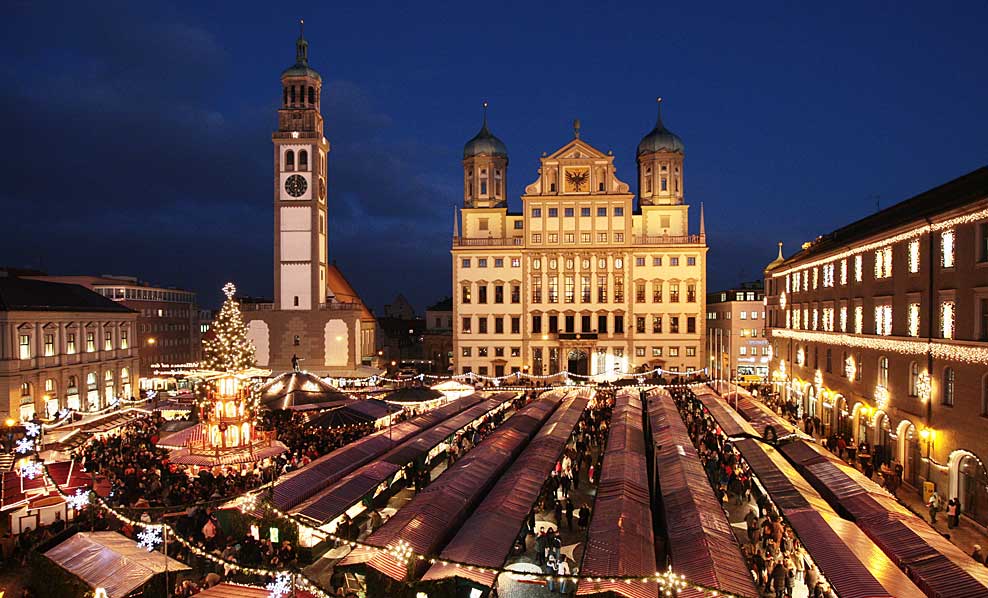
Augsburg

Augsburg

Once upon a time we had more disposable income than we do now. So we paid more tax and wasted more money. One of the best ways I’ve found to waste smackeroonies is on train trips. London-Brussels-Cologne and onwards. People look east.

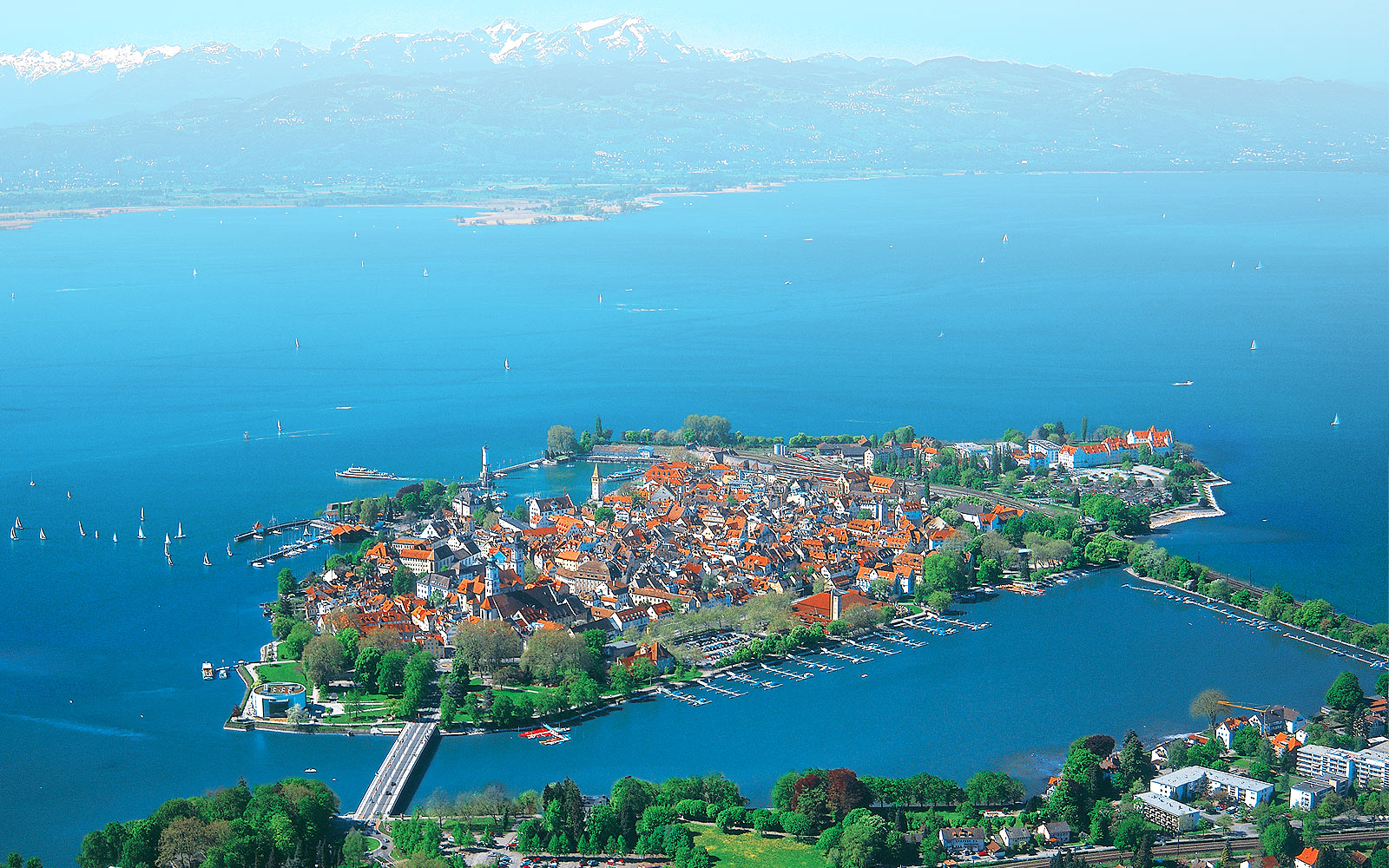
German Christmas markets in November are something else, with fairs and stalls laid out in town squares in the shadow of the great church and the Rathaus. One year we found ourselves in Augsburg and Lindau. Lake Constance is just magic. Another year it was Koblenz, Limburg and Mainz. On both trips we had a night in Cologne, so we enjoyed the huge Christmas Market there. Lights twinkle in the frosty air; traditional music mingles with the aroma of glühwein and würst. Sustained by the delicious fare, we wander increasingly waywardly (glühwein) among stalls displaying local confectionery and handiwork. It reminds me just how many of our Christmas traditions are Central European in origin. We picked up a rather good Jesse tree icon in Cologne.

Lindau

Lindau

One of their customs that might do me some good is waiting until Boxing Day to open presents. As parishioners and my regular reader know, I’m possibly the world’s most impatient person, so I say this not as a killjoy, but rather to remind myself that a bit of waiting, however tiresome, increases the joy.

It’s waiting that Advent should be about, instead of which the evil advertising industry has assailed us since September with they call the ‘run up to Christmas’, presents, trees, food, booze and generally getting ready for the winter solstice. ‘Let’s get Carol Services out of the way’ (my first is on a stupidly early 5 December), ‘so we can get on with important stuff like planning TV’, presumably as a background to family rows. Advent is obliterated in all this frenetic activity.

So I tell myself, have a rest. Half an hour every now and then is better than nothing. Find something or someone who lifts my spirits and makes me smile. Find a friend who radiates energy, and avoid people who drain my life force like a vampire—there are plenty of them. Lionel Blue is always a radiator, and his advice for starting the day is to recall some proud moment of yesterday. I’ll see if I can dredge one up from what passes for a memory.

Find radiators, avoid drains. And they all lived happily ever after.

A call to action

Doomed!

Doomed!

Homily for Second Sunday before Advent, Year A, by Fr Phillip Jefferies

Zephaniah 1-7; 12-18. 1 Thessalonians 5: 1-11. Matthew 25: 14-30.

A devastating prophet of doom is the almost unknown and difficult to date prophet Zephaniah who saw the Judgements of the Lord in the affairs of history. But it’s not just Zephaniah! All three readings at mass today are what you’d call full frontal – even Paul’s first letter to the church at Thessalonica likens the coming of Christ to a thief in the night or the labour pains of a pregnant woman – grim indeed, and no escape. Nor, it seems, can we slip away into a comfortable parable in the gospel for today: the careful and cautious slave is roundly condemned!

If it were you or me and we were given only £300 (= 1 talent) to look after by someone we considered to be a bit of a tyrant, it might seem prudent to us, too, not to put it at risk. But, oh no, this parable isn’t about being careful, it is about risking it. So although we might be tempted to feel sorry for the third servant, we are not supposed to; put nicely, we might say nothing ventured nothing won – but the language of the parable doesn’t put it nicely: go to hell, says the harsh master, but with added venom!

The message from today’s Gospel then is very clear: get out there and live dangerously or there will be hell to pay. And as I said, the two supporting readings do just that: they support a tough understanding of what is expected at the coming of the Kingdom.

The Anglican calendar for these few weeks from the last Sunday after Trinity until Advent Sunday calls this period the Kingdom Season and the liturgical colour is red (that the Vicar likes red, or it’s the colour of his eyes, has nothing to do with it). Liturgically, red suggests fire and blood – drama and extreme cost. Are these fitting symbols for God’s Kingdom, do you think? Certainly, the readings, red in tooth and claw, as you might describe them, back up this view.

All this prompts us to ask whether the Kingdom of God might have more in common with a Caliphate than with a place for little children above the bright blue sky. I raise this somewhat fearful contrast not to be offensive, but to sharpen our minds to what precisely is being presented to us in the readings and in the theology of the kingdom of God.

I hear, as you do, of the radicalization of some young Muslims, one from our nearest city – up the road in Derby, and I wonder what they see about this United Kingdom of Great Britain and Northern Ireland which fails to galvanize their admiration and loyalty. Well, I don’t know for certain, of course, what they don’t like. I do know, however, what fails to attract me and tends to take away my pride (to quote G K Chesterton). We seem to have such a vacuous life style, with a thorough-going celebrity culture. Most of our public statements come from our politicians with all the bombast of the bull horn – especially on foreign policy; our entertainment, while much of the world starves, is about endless different ways to cook. Meanwhile, our collective public worship appears to be centred on past wars, some of them very questionable, and is all organised by the British Legion.

There! And I’m not a radical, just from the slow, old West Country – whence bloweth the gentle zephyr; but, nevertheless, before me, whether I like it or not, is this radical parable Jesus told – and told with such vehemence!

I’m no extremist, just Church of England; but here I am sharing in this celebration of the Holy Sacrament of the sacrifice of the body and blood of Christ. Perhaps it is I who need radicalizing! But perhaps the Holy Scriptures and the Holy Sacraments are, and should be, radicalizing in themselves; not into unspeakable degradation and violence, but out of any complacency and into confrontational Christian witness … Onward Christian soldiers!

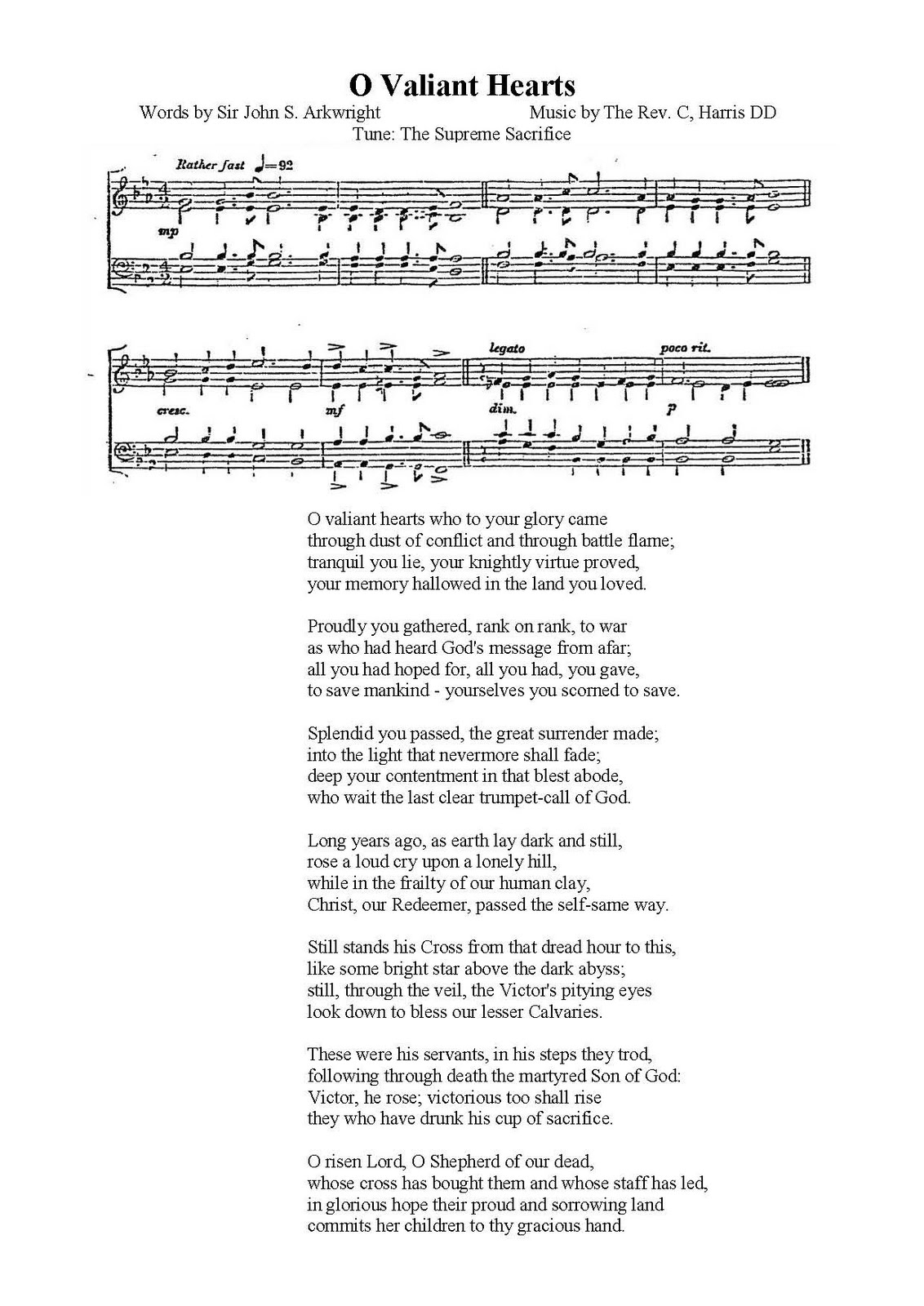
O valiant hearts

OValiantHeartsWithMusicRTFThe Civic Service on Remembrance Sunday 2014 at S Modwen’s Church, Burton upon Trent

 Micah 6: 6-8. Matthew 5: 1-12

Monday evenings this summer saw me glued to the box, watching the training of Marine Commandos. We glimpsed them, we glimpsed their trainers, many fresh from Afghanistan, and we saw how duty and tough love are agents of transformation. It made me wonder what our future is likely to be, shaped increasingly nowadays by ‘rights’ and indulgence.

It was remarkable to witness as training went on how these men come together in the service of something bigger than themselves. They learn that individuality is subservient to the common good. They learn that their own preferences and desires count for nothing when it comes to the well being of the unit. They learn comradeship. When one of them fails in an exercise there is none of the derision that I suffered in PE classes at school (I was and remain physically inept) but instead a remarkable level of encouragement and support.

It’s people and attitudes like this that we honour today.

Think about the men in the trenches a century ago. Maybe they signed up seeking excitement, maybe they were bored, maybe they had a sense of service, or maybe they were escaping desperate circumstances. Just like today’s commando trainees. Think how dreadful life was in the trenches. And death. And yet, despite this—or perhaps because of it, for there’s nothing quite like adversity to bring people together—we witness the comradeship and intimacy that develop, and we see it in ex-servicemen and -women.

Now think of the women and men who served in the Second World War, in the Gulf War, Ireland. Think of those serving at this moment: Afghanistan, the Middle East, and more. Think of servicemen and women who suffer in peacetime as a result of idiots who think they know better than everyone else. Think of those that are injured physically and mentally. And think of their families.

It is people like this that we honour today.

We’re not here to honour politicians who appear to indulge in playground games like ‘mine’s bigger than yours’ or ‘you can have my soldiers if I can be your friend’. We are not here to condemn service chiefs who make the best decisions they can given the information they have at the time—or who have decisions imposed on them. We’re here to remember those who learn to their cost about justice, and mercy, and humility. That is what the first reading is about. And in the second reading we hear that only when we have emptied ourselves of selfishness can we begin to glimpse the kingdom of God—which is not about life after death, but about what life could be here on earth, as it is in heaven.

However much historians might proclaim the stupidity of the First World War, one cannot deny the evil that was confronted in the Second. Fighting evil is necessary, so long as we remember that every evil act begins as a thought in the mind—and that such evil thoughts are in your mind and mine as well as in the mind of the Dictator. It’s worth remembering too that nowadays a UK military presence often serves, in the words of the second reading, ‘to show people how to cooperate instead of compete or fight.’ Selflessness replaces selfishness. That, brothers and sisters, is what Resurrection is about: we can all rise to the selflessness of eternal life if we put aside selfishness and ego.

My son and his family live in the United States. I’m always struck at US airports how military personnel are invited to board first, and how at shows and public events the military are applauded. Americans respect their military all year round. This week we show our respect for those who learnt the hard way that selflessness, not selfishness, is the way. It would be good if we could remember this message in the other 51 weeks of the year, every year, and in every moment of our lives. Before it’s too late.

Ugly bug prayers

1409307203767_wps_14_BN2XBP_Colorized_transmisThere are calls for prayers to end the Ebola curse. Cathedrals do it, churches do it, even educated fleas do it. So what’s it all about? What are they asking for?

That the Lord will strengthen sufferers to bear what must be borne? Fair enough I suppose. We need to relax into allowing the processes of nature to take their course.

That the Lord will zap the viruses because they are less important than people? Are not viruses ‘creatures of this earth’ just like us? Why should viruses suffer more so that we suffer less? Do viruses suffer?

That the Lord inspires medical scientists to come up with a cure or a vaccine? If they don’t or can’t, does that mean they haven’t tried hard enough, or that they were not properly tuned in to the Lord’s radio frequency?

That the Lord intervenes to solve the problem somehow? Good luck with that.

On the way to Texas, a lightning strike over Bristol (damn the place) caused us to return to LHR where we were welcomed by fire engines and ambulances. They kept us on the plane, fed us, did the necessaries, and then we took off again to arrive 6 hours late having breathed recycled farts and each other’s germs for 16 hours. What was the Lord telling us, do you think? Possibly as a result, SWMBO and I now have viruses attacking our respiratory tracts. There’s a wire brush going back and forth in my trachea.

Will someone pray for me? I can’t do that—it would be very un-C-of-E. Will someone pray for the viruses concerned? As others have said, hunger kills more people than Ebola, but dealing with Ebola is more important because rich people can die from it.

Pass the sherry, darling.